BUTTERFLY-FRIENDLY WILDFLOWERS FROM LADYBURN NATIVE PLANT NURSERY
  • Home
    • Home
    • Find the Foodplant
  • BUTTERFLIES
    • BUTTERFLIES
    • THE BROWNS
    • WHITES AND YELLOWS
    • COPPERS & HAIRSTREAKS
    • CATERPILLAR FOODPLANTS M
    • VANESSIDS
    • PAINTED LADY
    • THE BLUES
    • FRITILLARIES
    • DAY-FLYING MOTHS
  • CATERPILLAR FOODPLANTS
    • BIRD'S-FOOT TREFOIL
    • SHEEP'S SORREL
    • ROCK ROSE
    • THISTLES
    • GARLIC MUSTARD
    • KIDNEY VETCH
    • NETTLES
    • VIOLETS
    • NATIVE GRASSES
    • TREES
    • OVERWINTERING
  • NECTAR PLANTS
    • Nectar Plants
    • High Nectar Yielders
    • Existing Nectar Plants
    • Nectar Native or Exotic
    • Aphid Honeydew
    • Moths
  • CONTACT
    • Contact
  • BLOG
    • Blog
  • Plants for sale
  • LADYBURN NURSERY HOME PAGE
  • Home
    • Home
    • Find the Foodplant
  • BUTTERFLIES
    • BUTTERFLIES
    • THE BROWNS
    • WHITES AND YELLOWS
    • COPPERS & HAIRSTREAKS
    • CATERPILLAR FOODPLANTS M
    • VANESSIDS
    • PAINTED LADY
    • THE BLUES
    • FRITILLARIES
    • DAY-FLYING MOTHS
  • CATERPILLAR FOODPLANTS
    • BIRD'S-FOOT TREFOIL
    • SHEEP'S SORREL
    • ROCK ROSE
    • THISTLES
    • GARLIC MUSTARD
    • KIDNEY VETCH
    • NETTLES
    • VIOLETS
    • NATIVE GRASSES
    • TREES
    • OVERWINTERING
  • NECTAR PLANTS
    • Nectar Plants
    • High Nectar Yielders
    • Existing Nectar Plants
    • Nectar Native or Exotic
    • Aphid Honeydew
    • Moths
  • CONTACT
    • Contact
  • BLOG
    • Blog
  • Plants for sale
  • LADYBURN NURSERY HOME PAGE


Picture

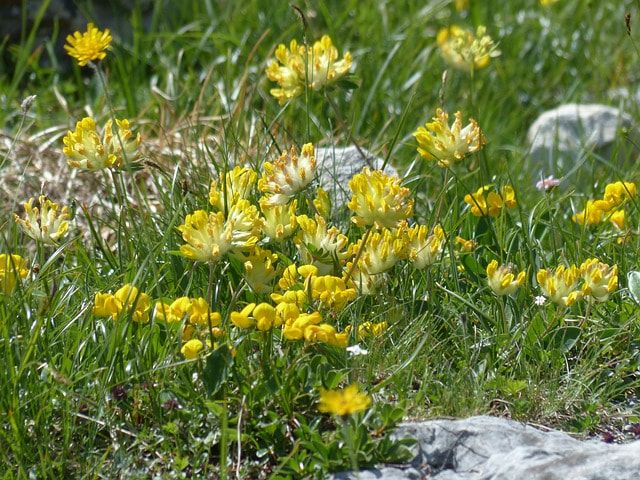
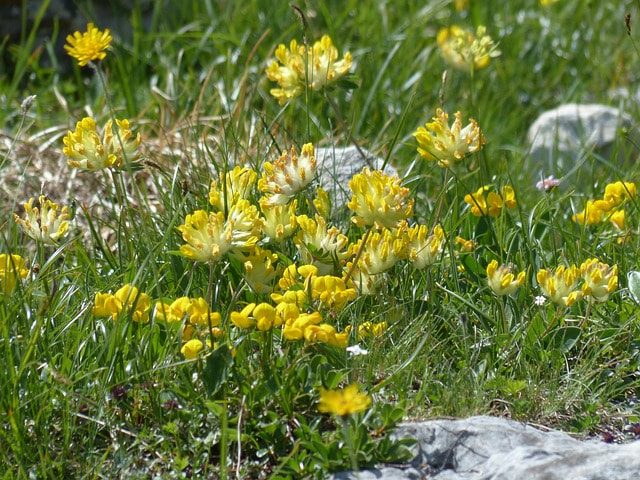
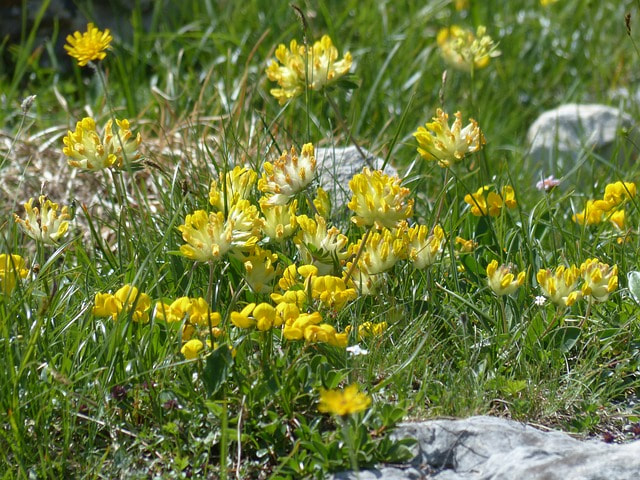
Kidney Vetch

A great source of nectar for adult butterflies, Kidney Vetch is also a favourite foodplant of caterpillars of the Small Blue butterfly.
Kidney Vetch (Anthyllis vulneraria) is eaten by caterpillars of the delightful Small Blue Butterfly which as its name suggests is one of our smallest. Growing on chalk soils, Kidney Vetch faces a constant challenge from aggressive agricultural grasses and other species, and in the absence of gentle grazing of the grass by herbivores may need our help to become established.

At a glance, with its pretty yellow, pea-like flowers it could be mistaken for Bird's-foot Trefoil, both of which are attractive as a nectar source to Small Blues and other adult butterflies.

The female Small Blue seeks out Kidney Vetch growing in a sunny sheltered spot on which to lay her eggs, positioning them carefully within the flower buds, and it is these and the seed rather than the leaves that are eaten by the emerging caterpillars.

INCREASE BIODIVERSITY BY GROWING KIDNEY VETCH and HORSESHOE VETCH TO SUPPORT THE BUTTERFLIES BELOW
Picture

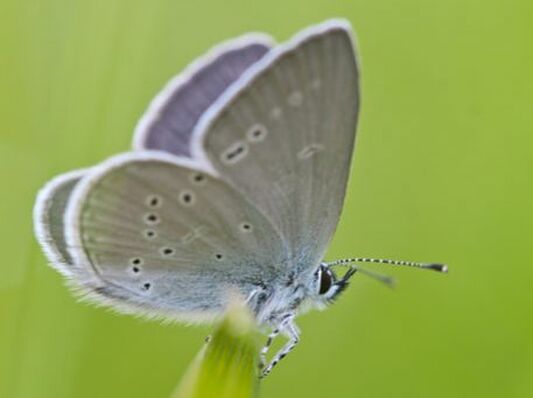
SMALL BLUE
Cupido minimus

The female Small Blue lays her eggs one at a time on the flower buds or flowers of the Kidney Vetch, but it needs to be growing in a sheltered, sunny spot.

After feeding, the caterpillar leaves the plant to hibernate in the ground.

Small, scattered populations occur throughout the whole of Britain and Ireland but it is most common in southern England.

Picture

 CHALK-HILL BLUE
Lysandra coridon
Image coming soon

The geographically more restricted Chalk-hill Blue of chalk and limestone downs in southern England chooses not Kidney Vetch but the stems of Horseshoe Vetch on which to lay her eggs.

This species overwinters as an egg, the caterpillar emerging in spring to feed on the leaves.
Picture

 ADONIS BLUE
Lysandra bellargus
Image coming soon

Horseshoe Vetch, this time the leaves, are also eaten by caterpillars of the Adonis Blue. This butterfly is confined to southern England, especially the chalklands of Dorset and the Isle of Wight
Picture

NECTAR SOURCE FOR MANY SPECIES

While Kidney Vetch cannot be guaranteed to attract breeding colonies of the rarer blues to your area, it will still serve, like the related caterpillar foodplants, Horseshoe Vetch and Bird's-foot Trefoil, as a good nectar source for butterflies in general, and a source of nectar and pollen for bees.
Proudly powered by Weebly