BUTTERFLY-FRIENDLY WILDFLOWERS FROM LADYBURN NATIVE PLANT NURSERY
  • Home
    • Home
    • Find the Foodplant
  • BUTTERFLIES
    • BUTTERFLIES
    • THE BROWNS
    • WHITES AND YELLOWS
    • COPPERS & HAIRSTREAKS
    • CATERPILLAR FOODPLANTS M
    • VANESSIDS
    • PAINTED LADY
    • THE BLUES
    • FRITILLARIES
    • DAY-FLYING MOTHS
  • CATERPILLAR FOODPLANTS
    • BIRD'S-FOOT TREFOIL
    • SHEEP'S SORREL
    • ROCK ROSE
    • THISTLES
    • GARLIC MUSTARD
    • KIDNEY VETCH
    • NETTLES
    • VIOLETS
    • NATIVE GRASSES
    • TREES
    • OVERWINTERING
  • NECTAR PLANTS
    • Nectar Plants
    • High Nectar Yielders
    • Existing Nectar Plants
    • Nectar Native or Exotic
    • Aphid Honeydew
    • Moths
  • CONTACT
    • Contact
  • BLOG
    • Blog
  • Plants for sale
  • LADYBURN NURSERY HOME PAGE
  • Home
    • Home
    • Find the Foodplant
  • BUTTERFLIES
    • BUTTERFLIES
    • THE BROWNS
    • WHITES AND YELLOWS
    • COPPERS & HAIRSTREAKS
    • CATERPILLAR FOODPLANTS M
    • VANESSIDS
    • PAINTED LADY
    • THE BLUES
    • FRITILLARIES
    • DAY-FLYING MOTHS
  • CATERPILLAR FOODPLANTS
    • BIRD'S-FOOT TREFOIL
    • SHEEP'S SORREL
    • ROCK ROSE
    • THISTLES
    • GARLIC MUSTARD
    • KIDNEY VETCH
    • NETTLES
    • VIOLETS
    • NATIVE GRASSES
    • TREES
    • OVERWINTERING
  • NECTAR PLANTS
    • Nectar Plants
    • High Nectar Yielders
    • Existing Nectar Plants
    • Nectar Native or Exotic
    • Aphid Honeydew
    • Moths
  • CONTACT
    • Contact
  • BLOG
    • Blog
  • Plants for sale
  • LADYBURN NURSERY HOME PAGE

Fritillaries


For Many Fritillary Caterpillars, Violets are Clear Winners
 
Picture

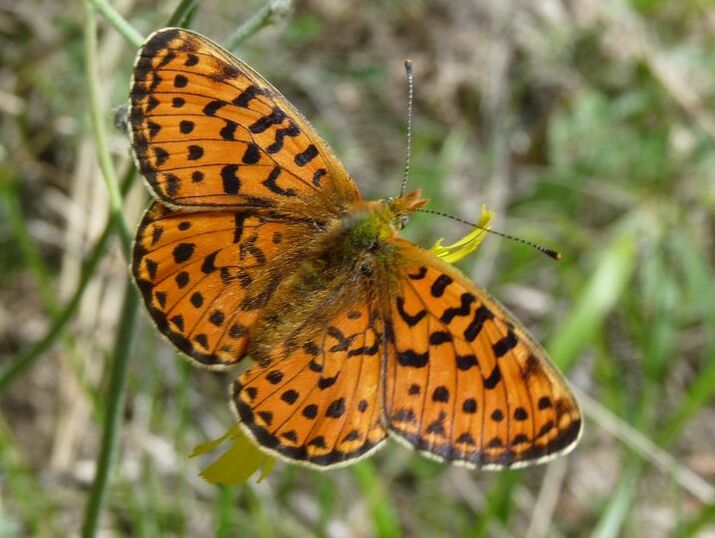
PEARL-BORDERED & SMALL PERL-BORDERED FRITILLARY
Bolaria euphrosyne
& Bolaria selene

The Pearl-bordered is less common and less widespread than the Small Pearl-bordered Fritillary, but both are found in parts of England, Scotland, Wales and rare in Ireland.

Both lay their eggs singly on the underside of violet leaves, either DOG VIOLET or MARSH VIOLET ready for the caterpillars to eat.

Hibernates as an almost mature caterpillar inside a rolled-up dead leaf.

As the caterpillars are so dependent on violets, it can only live where violets grow.


Picture

SILVER-WASHED FRITILLARY
Argynnis paphia
Image to come

This is a butterfly mainly of light woodland in southern England, Wales and Ireland, but is very rare or absent from Scotland.

The eggs are laid on a tree trunk within scent of violets, usually DOG VIOLETS. On hatching, the caterpillar eats its egg shell, spins a covering of silk and hibernates, still on the tree trunk.

The following spring it moves down the tree in search of the violet leaves which it eats at night


Picture

DARK GREEN FRITILLARY
Argynnis aglaja
Image to come

A large butterfly the size of a Peacock, the Dark Green Fritillary is widespread throughout England, Scotland, Wales and Ireland.  

It flies from June to August, when the female lays her eggs on the leaves of DOG VIOLET and MARCH VIOLET. 

When the caterpillars emerge they immediately hibernate in the leaf litter, and re-emerge in spring to feed on the juicy young leaves of violet
Picture

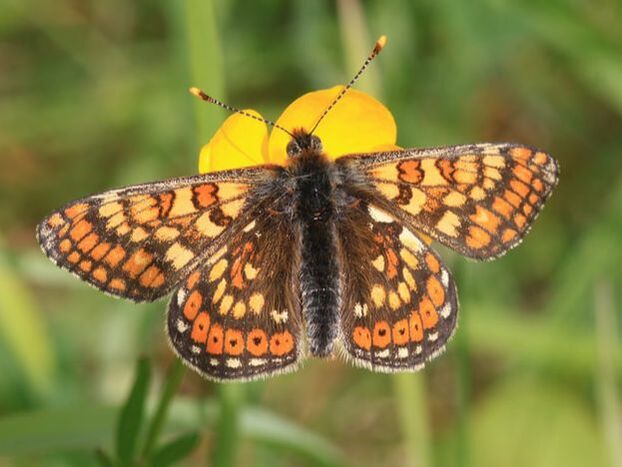
MARSH FRITILLARY
Euphydryas aurinia

The female lays her eggs in batches of about 150 glued in neat rows, often consisting of several layers, to the under surface of leaves of DEVIL'S BIT SCABIOUS.

The caterpillars conceal themselves beneath a silken web while they feed, and later use another web as protection when they hibernate.

On emerging from hibernation they continue to feed, and will move to honeysuckle if the Devils Bit Scabious is in short supply.

Starvation due to shortage of their food plant is a major hazard.
​
The Marsh Fritillary is found on damp grassland in the Soutwest of England, Wales and Ireland

Caterpillars of the very rare High Brown Fritillary (Argynnis adippe​) mainly located in Devon and Somerset also feed on Common Dog Violet.

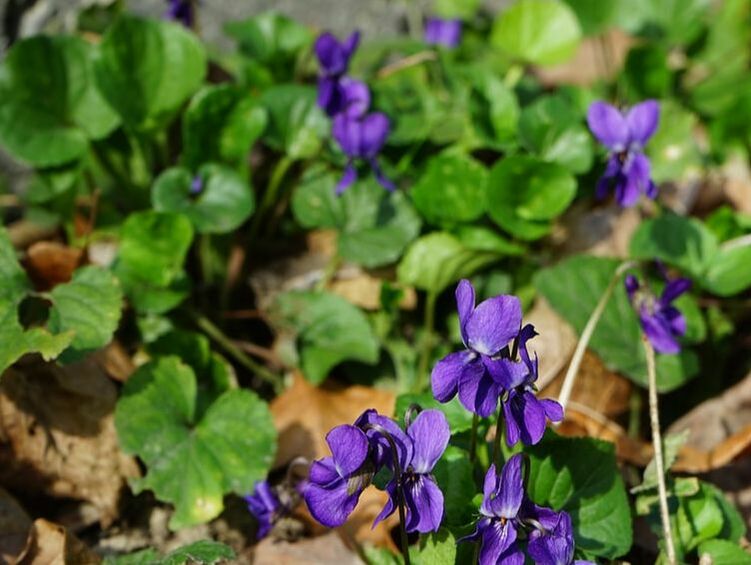
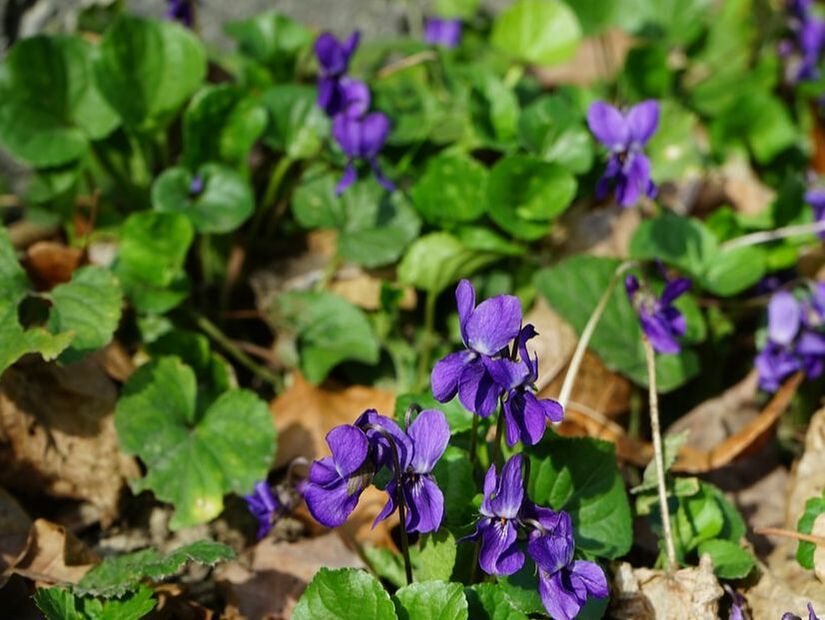
GROW VIOLETS LIKE THOSE BELOW TO SUPPORT THE FRITILLARIES. 
Proudly powered by Weebly